
The Southwest Suburban Chicago real estate market remains active in 2026, but it is not a market where every property automatically sells quickly or above asking price.
The difference is often in the details.
Well-priced, well-prepared homes are continuing to attract strong buyer interest, while limited inventory is keeping competition high in many of the area's most desirable communities. At the same time, higher mortgage rates have made buyers more conscious of monthly payments and overall affordability.
For buyers and sellers in communities such as Orland Park, Palos Park, Palos Heights, Homer Glen, Lemont, Frankfort, and the surrounding Southwest Suburbs, understanding the current market is important when deciding when and how to make a move.
Limited Inventory Continues to Shape the Market
One of the defining characteristics of the 2026 market is the lack of available inventory.
Across the Chicago metropolitan area, active listings remained constrained in June, with inventory declining 7.8% year over year. New listings were also down 11.8% compared with the previous June.
That limited supply continues to create competition for desirable properties.
When a well-maintained home is appropriately priced and enters the market, buyers are often ready to act quickly. This is particularly true for homes that offer the location, condition, layout, and features buyers are looking for.
The result is a market where pricing and preparation matter considerably.
Well-Positioned Homes Can Move Quickly
Current activity in the Southwest Suburbs illustrates just how quickly the right property can attract attention.
According to Busby Group's 2026 results for the homes listed and sold by its Southwest Suburb Collective, those properties averaged just 7 days on the market, with an average sale-to-list price ratio of 110%.
Those figures should not be interpreted as an average for every home in the Southwest Suburbs. Instead, they demonstrate what can happen when a property is positioned correctly in a market where buyers are actively looking and inventory is limited.
The broader suburban market is also showing continued strength. In June, single-family home sales throughout the Chicago suburbs increased 4.8% from the previous year, while the median sale price for detached homes increased 4.8% to $456,000.
For sellers, this creates an opportunity, but it also creates a reason to be strategic.
Sellers Still Have an Advantage, But Pricing Matters
It can be tempting for sellers to look at a competitive market and assume they can price their home aggressively and wait for the right buyer.
That strategy can work in some situations, but today's buyers are informed and increasingly payment-conscious.
A home that is priced appropriately, presented well, and supported by a strong marketing strategy can generate significant interest. A home that is overpriced can sit on the market even while other properties nearby receive offers.
The current market rewards sellers who understand the difference between what they would like their home to be worth and what the market is actually willing to pay.
Preparation is also important. Addressing obvious repairs, improving presentation, understanding comparable sales, and establishing the right pricing strategy before going to market can make a meaningful difference.
Buyers Need to Be Prepared to Move Quickly
For buyers, limited inventory creates a different set of challenges.
The right home may not be available for very long, particularly when it is priced correctly and offers the features buyers are looking for. Buyers who are prepared before they begin their search are in a much stronger position than those who are still working out financing or deciding what they can comfortably afford after finding a property.
That preparation includes:
Understanding your budget and monthly payment
Obtaining a current mortgage pre-approval
Knowing which communities and neighborhoods fit your needs
Understanding which features are priorities and which are negotiable
Being prepared to make a competitive offer when the right property becomes available
At the same time, competition should not mean abandoning good judgment.
A competitive market does not make every property a good investment, and buyers should still pay attention to condition, comparable sales, property taxes, potential repairs, and the overall value of the home.
Mortgage Rates Continue to Influence Buyer Behavior
Interest rates remain an important part of the equation.
Even when buyers are interested in a property, the monthly payment can ultimately determine whether the purchase works within their budget. This has made buyers more deliberate about price and financing, particularly as home values have continued to rise.
For sellers, this means understanding that the buyer's purchasing power is not determined by the sale price alone.
For buyers, it means looking at the entire financial picture rather than focusing solely on the purchase price.
Rates will continue to change, but the right decision is generally based on whether the property and the overall financial terms make sense for the buyer, not on trying to perfectly predict where rates will be six months from now.
Southwest Suburbs Continue to Evolve
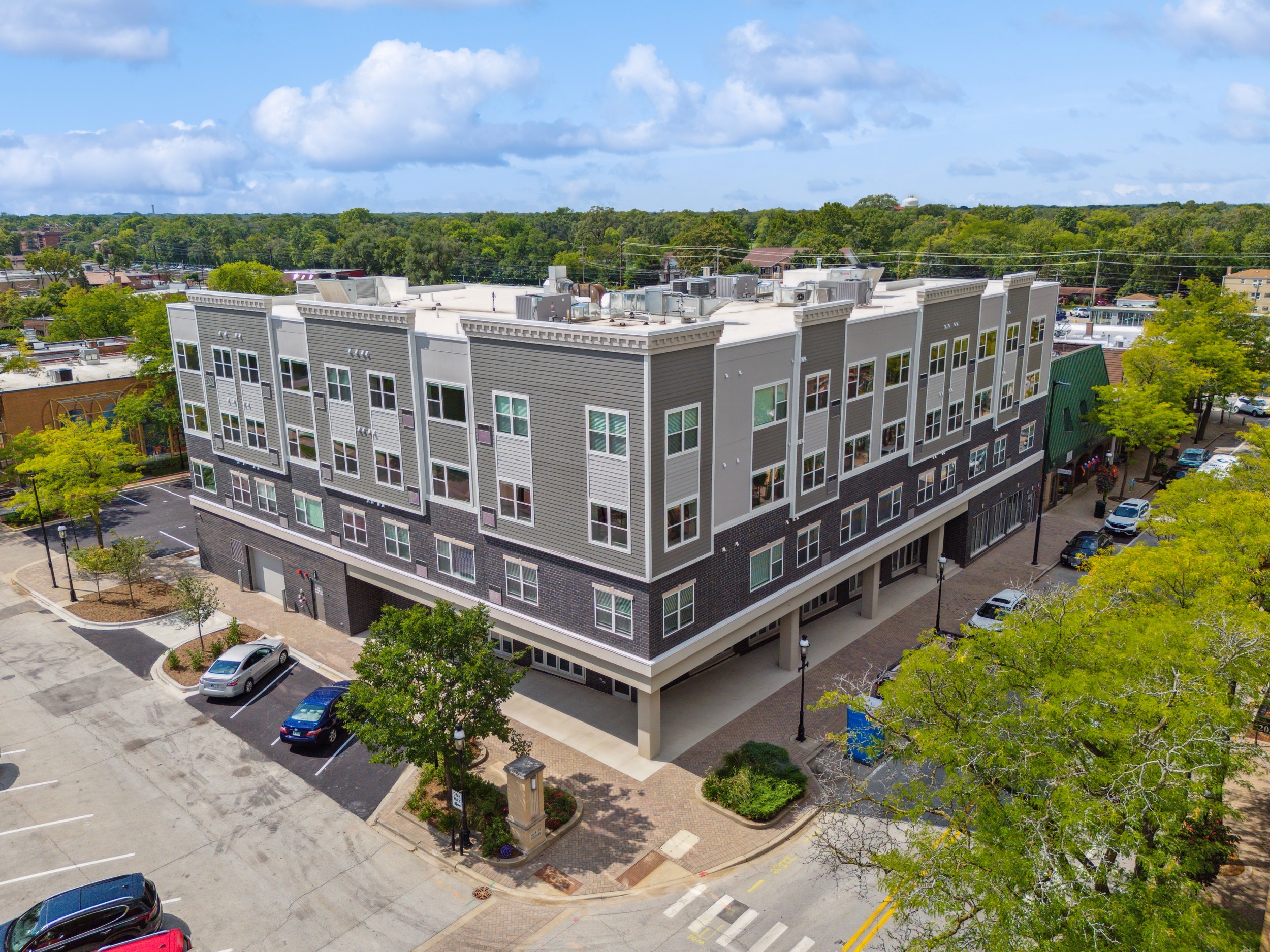
The Southwest Suburbs are also benefiting from continued investment and development.
New residential and commercial development, improvements to established downtown areas, and expanding amenities continue to contribute to the appeal of communities throughout the region.
That evolution is one reason we believe it is important to look at the Southwest Suburbs on a community-by-community basis.
Orland Park, Palos Park, Palos Heights, Homer Glen, Lemont, and Frankfort each have their own characteristics, housing stock, price points, and buyer demand.
Even within a single community, market conditions can vary by neighborhood, property type, price range, and condition.
There is no single number that accurately describes the entire Southwest Suburban market.
What Does This Mean for Buyers and Sellers?
The 2026 market is competitive, but it is also more nuanced than simply calling it a "seller's market."
For sellers, there is strong demand for the right properties, but success still depends on pricing, preparation, presentation, and negotiation.
For buyers, there are opportunities, but finding the right property may require patience, preparation, and the ability to act when a good opportunity becomes available.
For both sides, local market knowledge matters.
Understanding recent sales, current competition, pricing trends, neighborhood differences, and the specific characteristics of a property can help you make a better decision than relying on broad Chicago or national housing headlines.
Our Perspective on the 2026 Market
At Optiv Properties, we believe real estate decisions should be based on the property and the circumstances—not simply on what the overall market is doing.
The Southwest Suburbs remain a market we know well, and we continue to see opportunities for both buyers and sellers. But the strategy needs to be tailored to the individual situation.
If you're considering selling, the first step is understanding what your property could realistically command in today's market and what can be done to position it for the strongest possible result.
If you're buying, the goal isn't simply to win a bidding war. It's to find the right property, understand its value, and structure an offer that makes sense for your situation.
The 2026 Southwest Suburban real estate market is competitive. But with the right information and the right strategy, there are still plenty of opportunities.